If you are looking for sissies near me in London, the safest and most welcoming starting point is an adults-only online community where you can filter for shared interests, communicate privately, and decide when—or whether—to meet in person. London’s size means there are many ways to connect, but respectful introductions, clear boundaries, and identity-affirming spaces are more important than simply finding the largest group.
sissies near me in London can be easier to find through a dedicated, privacy-conscious platform than through general searches or random social media posts.
Key Takeaways
- Use adult-only online communities to meet people gradually and keep control of your privacy.
- Look for spaces that welcome gender expression, experimentation, and different relationship goals without pressure.
- Be specific about whether you want friendship, conversation, dating, community support, or a consensual relationship.
- Protect your identity and arrange first meetings in public, well-known places with a trusted person informed.
- Respect each person’s chosen language, pronouns, limits, and level of disclosure.
What “sissy community” can mean in London
The word “sissy” is used in different ways by different adults. For some, it describes a feminine style or presentation. For others, it relates to role-play, submissive dynamics, gender exploration, a dating preference, or a sense of belonging among people who do not always feel understood in mainstream spaces. Some people use the word proudly, while others prefer terms such as femboy, femme, gender-nonconforming, cross-dresser, or simply queer. No single definition fits everyone.
A supportive sissy community London residents can participate in should make room for that variety. It should not assume that someone wants sex, a particular relationship structure, public attention, or a specific form of dress. The best communities allow adults to introduce themselves on their own terms, state what they are looking for, and change their minds without being mocked or pressured.
London can feel both connected and anonymous. A large city offers many potential friendships, but it can also make it difficult to know which people or groups are trustworthy. Online spaces are useful because they let you learn about someone’s communication style before sharing personal details or agreeing to meet. They are not a replacement for good judgment, but they can be a practical first step.
Where to look for welcoming connections
Dedicated femboy-focused platforms
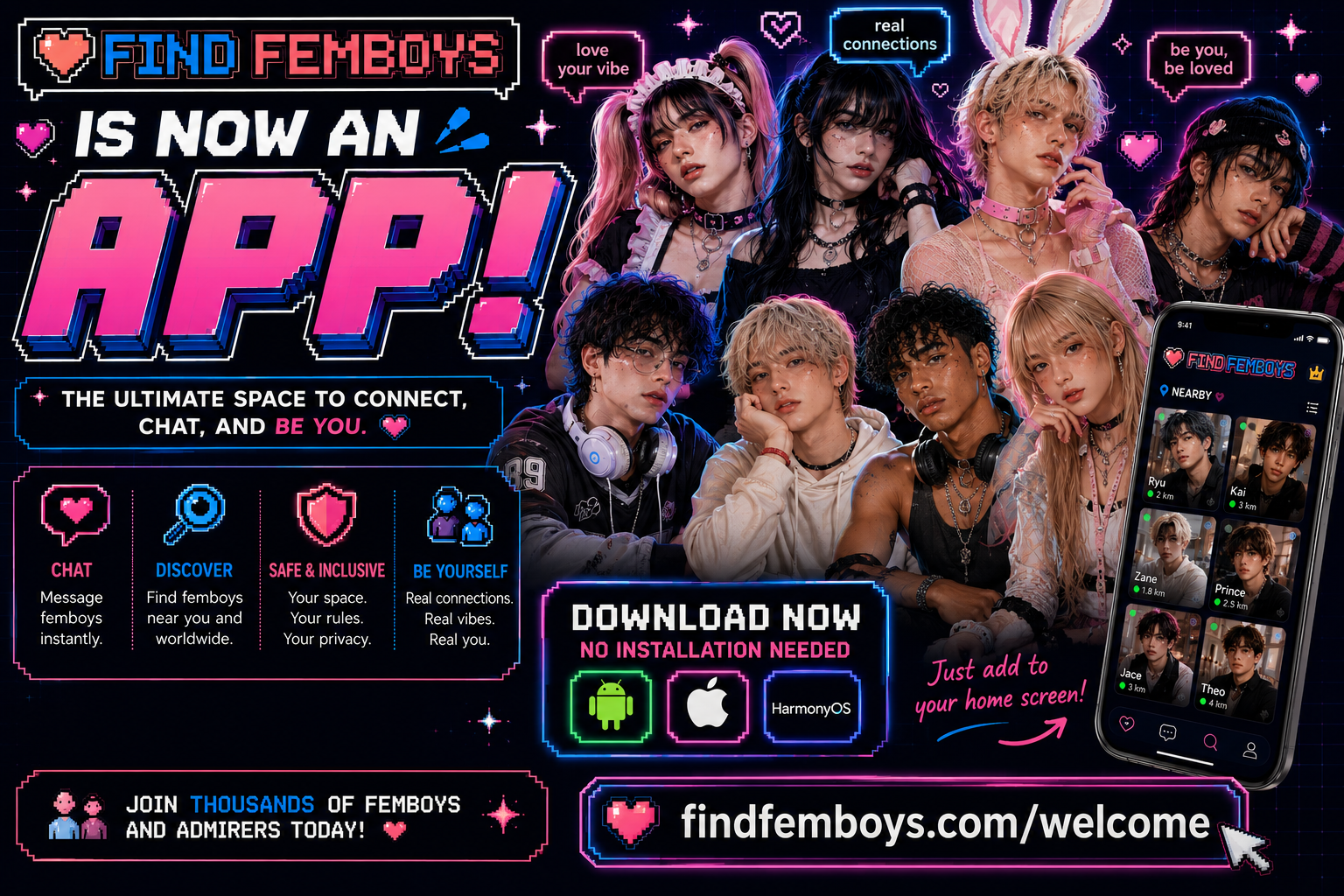
A platform built around feminine men, femboys, and related interests may be more useful than a broad dating service when you want others to understand the subject without a long explanation. Find Femboys is a femboy-focused platform that can help adults look for conversations and connections with people who are interested in this part of identity, presentation, or dating culture.
Dedicated platforms can make it easier to describe your preferences and find people who are looking for something similar. Even so, a niche label does not guarantee that everyone has the same intentions. Read profiles carefully, communicate directly, and treat the platform’s safety tools and community standards as part of the process rather than an afterthought.
General dating and social apps
Mainstream apps such as Grindr and Taimi may include people interested in feminine presentation, gender expression, or queer dating. Their audiences and features vary, so it is worth checking each service’s current rules, privacy settings, and reporting options. A general app may provide a larger pool of users, while a dedicated femboy-focused alternative may offer more relevant context and fewer explanations about what you are seeking.
Whichever service you use, write a profile that is clear without revealing too much. You might mention that you are interested in meeting respectful adults for friendship, community, dating, or consensual exploration. Avoid posting your workplace, exact home location, regular travel route, or other details that could identify you before trust has developed.
Online discussion groups and local social networks
Some people find community through moderated discussion groups, LGBTQ+ networks, fashion and style communities, or interest-based spaces. These may be particularly helpful if you are new to feminine presentation and want advice before dating. Search for groups that publish rules, actively moderate harassment, and make it clear that consent and adult participation are required.
Be cautious with groups that pressure newcomers to send intimate photographs, pay unexplained fees, move immediately to encrypted messaging, or prove their identity through sexual content. A genuine community does not need to rush you. It should be possible to participate through conversation first and decide what to share later.
How to make your profile approachable
A good profile helps the right people recognise you while discouraging mismatched or disrespectful messages. You do not need to create a perfect persona. A short, honest description is usually more effective than exaggerated claims or pictures chosen only to attract attention.
Consider including:
- The terms you use for yourself, if you are comfortable sharing them.
- Whether you are seeking friendship, style advice, dating, community, or a consensual relationship.
- The kinds of conversation or activities you enjoy outside of this interest.
- Your preferred pace for chatting and meeting.
- A simple statement that respect, consent, and privacy matter to you.
Photographs should reflect what you genuinely feel comfortable showing. You can use a face photo, an outfit photo, or a less identifiable image depending on your circumstances and safety needs. Do not let anyone tell you that a particular type of photograph is required to be accepted. Your appearance, body, clothing, and level of femininity are yours to control.
Starting conversations respectfully
Opening with a thoughtful message is more likely to lead to a useful connection than sending a generic compliment or an explicit request. Refer to something in the person’s profile, introduce yourself briefly, and ask an easy question. For example, you might ask what brought them to the community, whether they enjoy fashion or photography, or what kind of social connection they are hoping to find.
Consent applies to conversation as well as physical intimacy. Ask before moving into personal topics, requesting photographs, discussing sexual interests, or using a nickname someone has not chosen. If a person does not reply, gives a short answer, or says no, accept that without repeated messages. A welcoming community depends on people being able to say no safely.
Finding the right pace for meeting in person
Online chemistry does not always translate into an in-person connection, so there is no need to rush. Spend enough time communicating to notice whether someone respects your boundaries, answers questions consistently, and avoids manipulative behaviour. A video call can help confirm that the person is who they claim to be, although it is not a complete safety guarantee.
When you decide to meet, use a busy public place that is easy for you to leave. Choose your own transport, keep your phone charged, and tell a trusted friend where you are going. Consider arranging a check-in message and agreeing on a phrase that means you need help. For an initial meeting, avoid giving a new acquaintance your home address or agreeing to travel somewhere isolated.
It is also sensible to keep a first meeting short and low-pressure. Coffee, a daytime walk in a familiar public area, or another straightforward activity allows both people to leave comfortably if the connection does not feel right. You are not obligated to continue a date because someone paid for something, travelled across London, or reacted positively to your profile.
sissy community London connections are most rewarding when you can meet people at your own pace, communicate expectations clearly, and choose privacy settings that match your comfort level.
Safety, privacy, and consent
Protecting personal information
Use a separate username or email address if you want to keep your dating or community activity distinct from work and family life. Review profile visibility settings, location permissions, and the information shown in uploaded photographs. Images can contain identifying details such as street signs, school logos, workplace badges, or location data, so check them before posting.
Be wary of requests for money, gift cards, financial details, account access, or urgent assistance. Romance scams often rely on intense attention followed by a crisis or a request that must be handled immediately. Pause, verify independently, and seek a second opinion if a situation feels confusing or rushed.
Respecting identity and boundaries
Some people in this community are out to friends and family, while others are private for personal, professional, cultural, or safety reasons. Never share someone’s photographs, messages, name, or identity without explicit permission. Do not pressure a person to dress publicly, disclose their identity, or define their gender before they are ready.
Before any intimate or role-play interaction, discuss boundaries, safer-sex expectations, privacy, and the ability to stop at any time. Consent must be informed, voluntary, specific, and ongoing. A previous conversation or agreement does not create permission for something new, and intoxication or fear can make genuine consent impossible.
How to recognise a healthy community
A healthy online or in-person community usually has clear rules against harassment, non-consensual sharing, discrimination, and unwanted sexual messages. Moderators should provide a visible way to report problems, and members should be able to ask questions without being ridiculed. Look for conversations that include friendship and support rather than treating every new person as a sexual opportunity.
Warning signs include members who attack newcomers for using different labels, insist that everyone follow one style of presentation, dismiss consent concerns, or encourage secrecy from trusted people. A group can be playful and adult-oriented while still being considerate. Humour, flirtation, and sexual discussion should never be used to excuse coercion, humiliation, or targeted harassment.
Building community beyond dating
Not every connection needs to become romantic. You may find greater confidence through friends who share an interest in clothing, makeup, photography, performance, gaming, nightlife, or gender expression. Community can mean exchanging practical advice, discussing coming-out decisions, sharing outfit ideas, or simply having people who understand an aspect of your life that is difficult to explain elsewhere.
Try to be the kind of member you hope to meet. Welcome newcomers, avoid assumptions, credit people for their ideas and images, and keep private conversations private. If you organise a small gathering, make the expectations clear, choose an accessible public setting, and ensure everyone knows that attendance does not imply flirting, intimacy, or consent to photographs.
Taking the next step with confidence
Searching for sissies in London does not have to mean exposing yourself to unsafe websites, uncomfortable conversations, or pressure to perform a particular identity. Start with a community whose purpose you understand, create boundaries before you need them, and focus on people who show consistency and respect. Whether you are exploring a label, looking for friends, or ready to date, you deserve connections that leave you feeling understood rather than judged.
Related guides
- Femboys in London UK – Meet, Date, and Connect Online
- Femboy Communities Online in 2026: Where Femboys Actually Connect
- Femboy Finder – Top Dating Site 2025 for Femboys and Fans
For adults seeking a more relevant place to begin, sissies in London may be easier to connect with through a femboy-focused community where shared interests and respectful communication can come first.